Using a small squirt bottle, I dyed circles cut out from paper towels.
After they have dried, use a small glass and start layering and gluing as you would to make charcuterie blooms. (see step by step on my instagram)
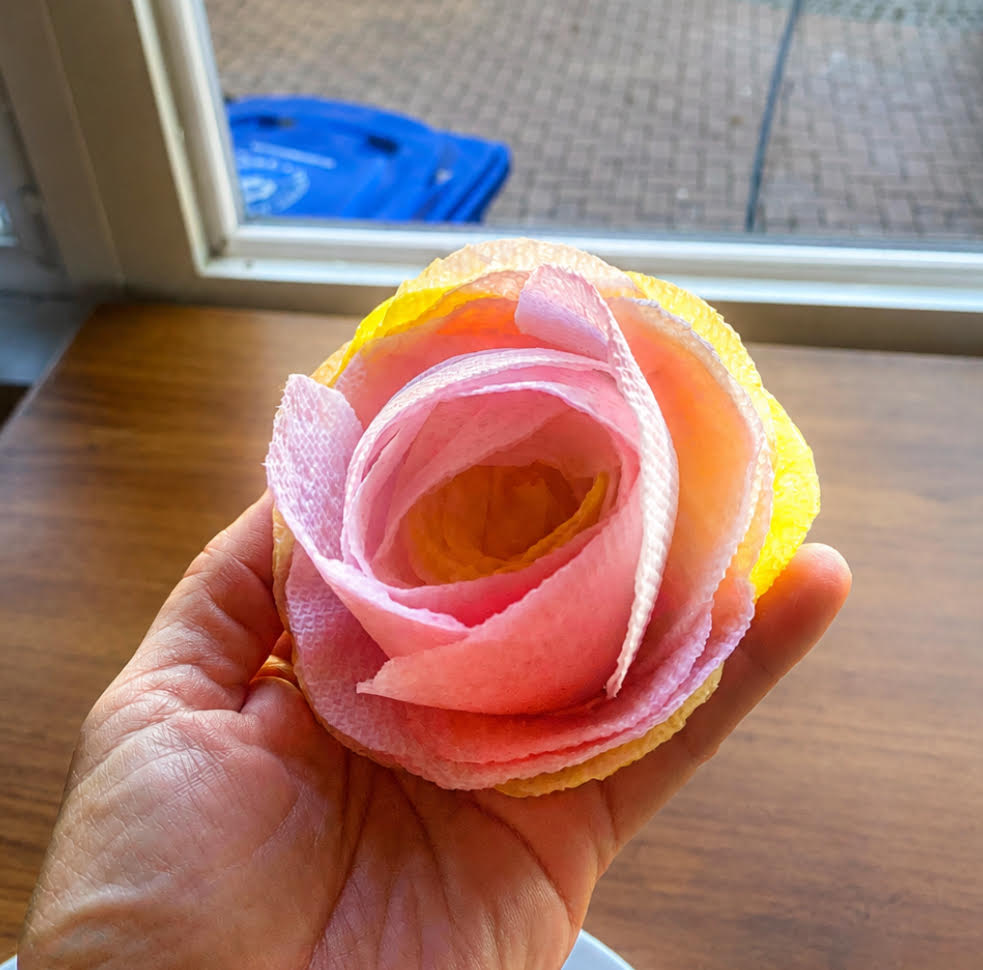
Using a small squirt bottle, I dyed circles cut out from paper towels.
After they have dried, use a small glass and start layering and gluing as you would to make charcuterie blooms. (see step by step on my instagram)
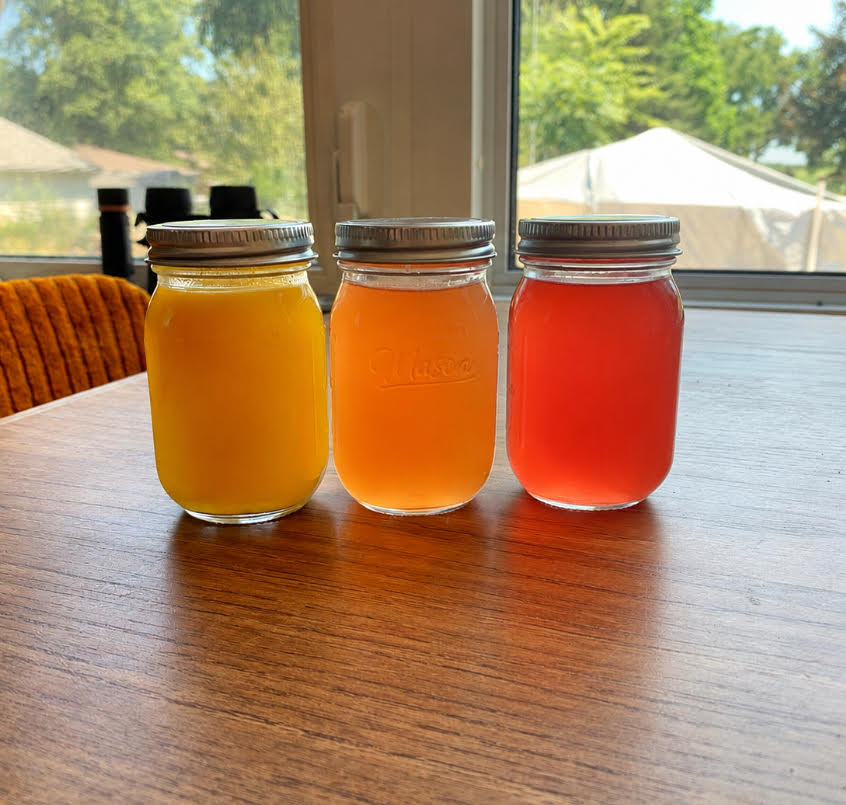
With your reserved apple peels in stock pot, add some water and simmer on the stove for about an hour. Use a strainer to remove the peels. You should be left with a rich, peach coloured liquid.
Place discarded peels in compost.
You can make variations to the dye for three different colours. I used apple peel dye with both tumeric for a rich gold, and raspberries for a more pronounced red.
If you own a crockpot, bring it into the classroom once a month so that the children are able to develop real world, hands on practice with simple cooking.
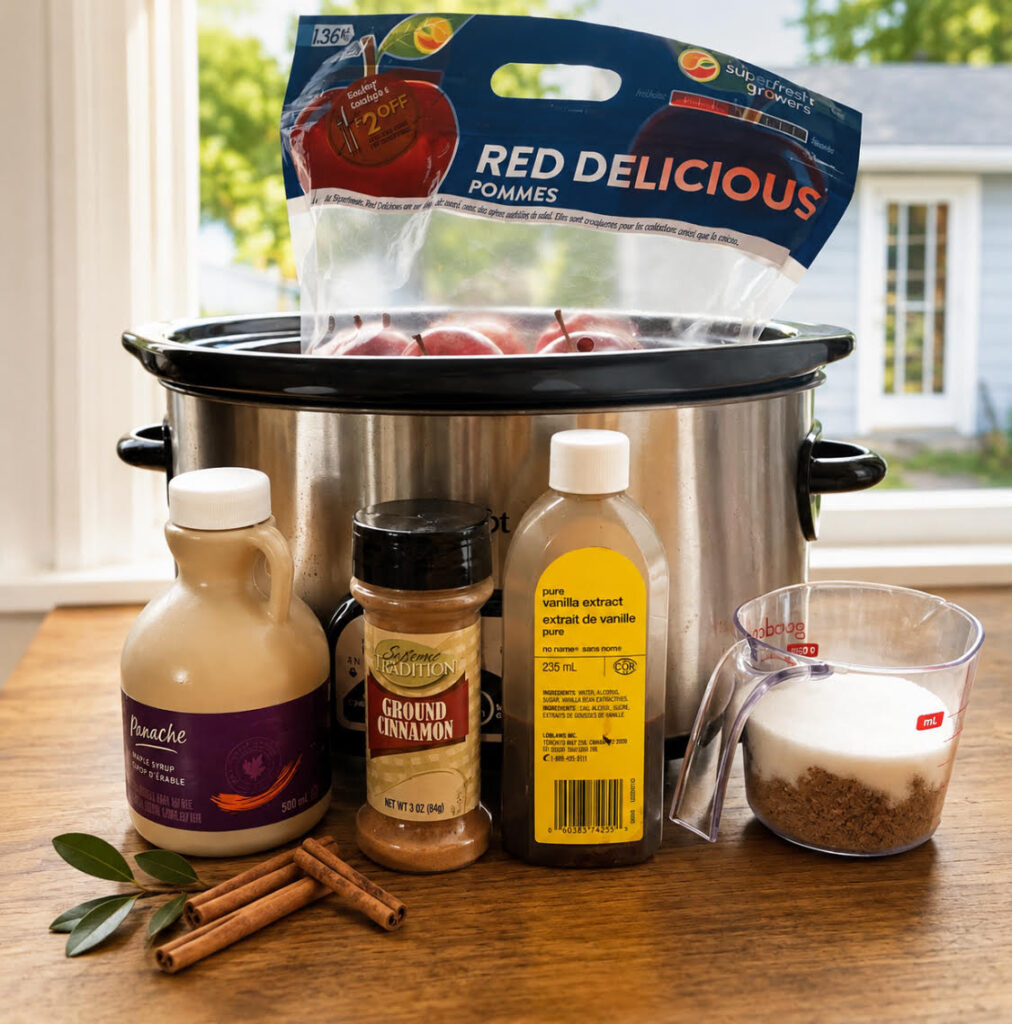
This month, we are making applesauce. You don’t need to follow an exact recipe, but for a a class of children, it is wise to use two bags of apples. Some accompaniments can be cinnamon, brown sugar, vanilla, nutmeg, maple syrup… whichever is preferred.
Make sure to reserve your apple peels and keep in stock pot for making natural dye.
Enjoy!
A simple September back to school craft.
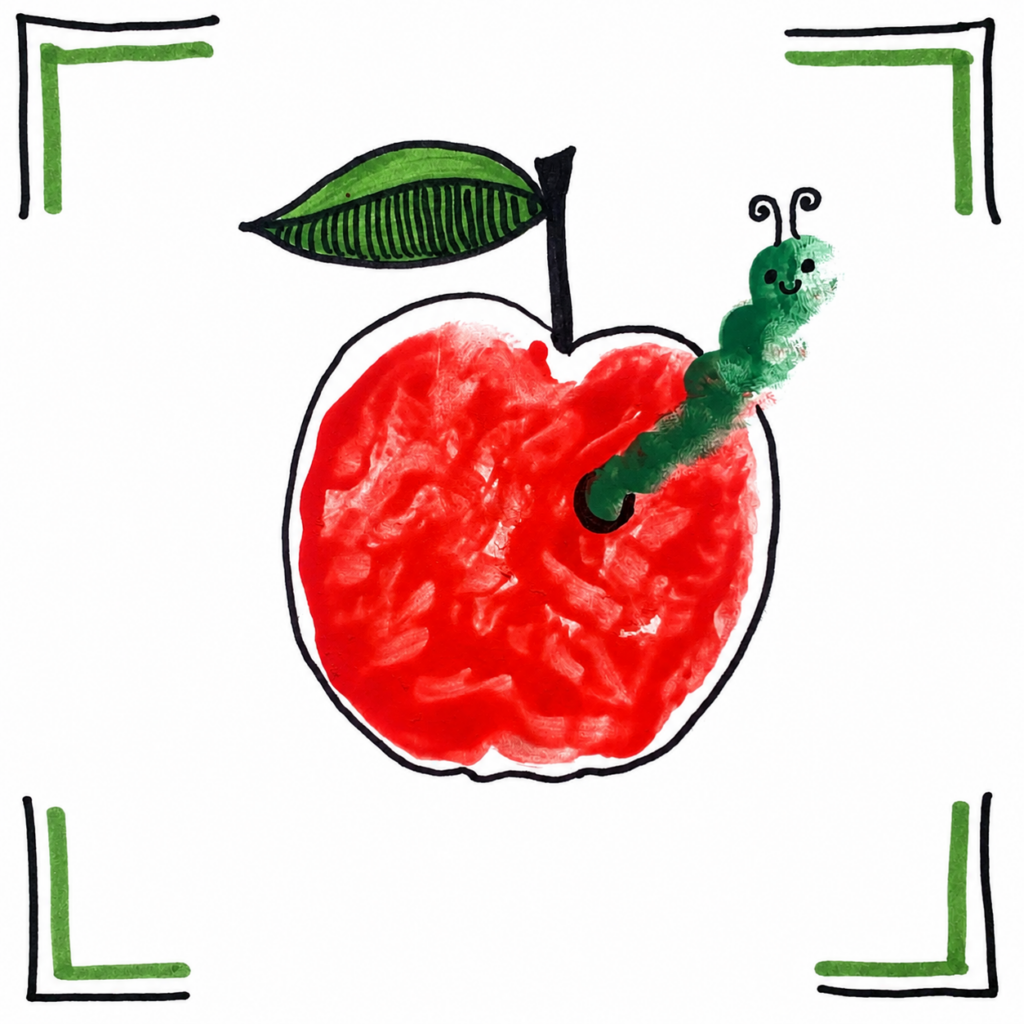
You will need an apple, a knife, a sharpie, red and green paint.
Simply cut the apple in half and press into red paint. Have the children stamp it onto a paper. Let it dry.
For the caterpillar, have the children dip their finger into the green paint and gently guide them to create the caterpillar. Dry again.
Add in the details to make a cute craft!
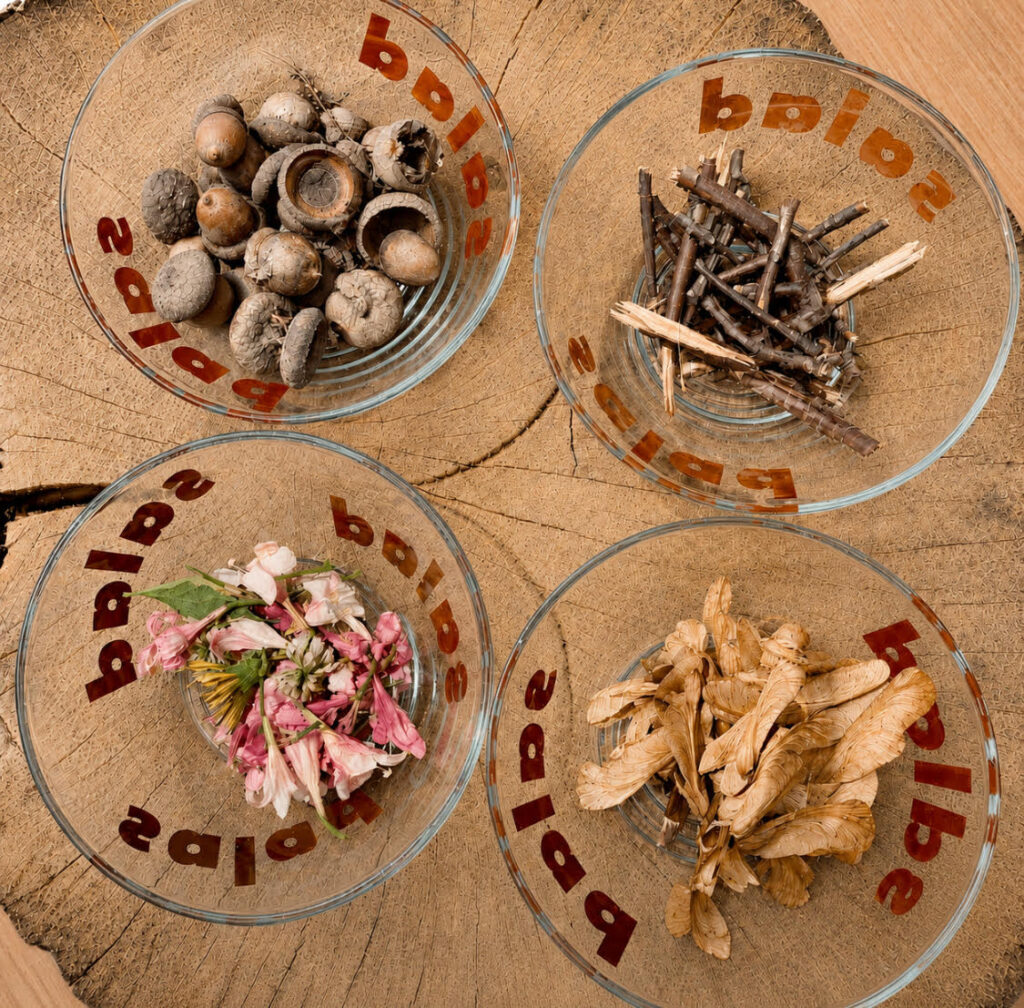
Summer is the perfect time to start gathering treasures for the preschool year ahead.
As you’re out enjoying nature, keep an eye out for acorns, pine cones, interesting seed pods, smooth stones, feathers, shells, and flowers for pressing. These simple, found materials often become some of our most loved learning tools.
In the fall, children can use acorns and pine cones for counting, sorting, pattern making, and imaginative play. Pressed flowers and leaves can be incorporated into art projects, nature journals, and seasonal crafts. Natural materials invite children to explore with all of their senses while fostering creativity, curiosity, and a connection to the world around them.
One person’s walk through the woods is another child’s classroom.
Happy treasure hunting!